The 12 Best Moroccan Hammams in Dubai (2026)
From Marina hideaways to Deira institutions, our top-rated picks for an authentic Moroccan bath experience in Dubai.
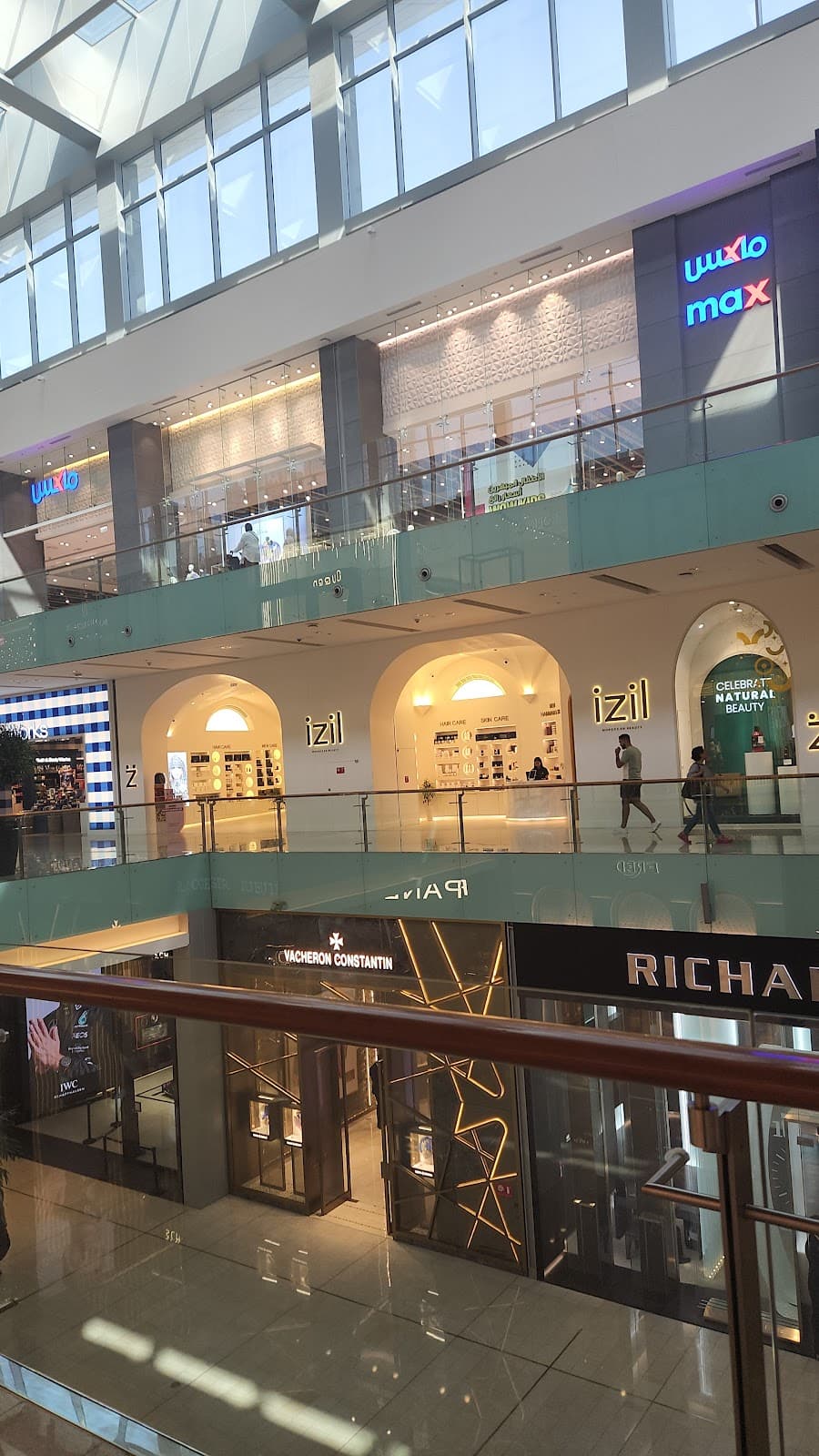
Hero photo: izil Moroccan Beauty | Hammam & SPA - Dubai Mall — © Lola Tem via Google Business
Top-rated picks
Skip the scroll — start with these 3
- 4.5(795)
izil Moroccan Beauty | Hammam & SPA - Dubai Mall
JBR · Dubai
Most-reviewed in segment — 795 Google reviews
Prices
On WhatsApp
 4.7(111)
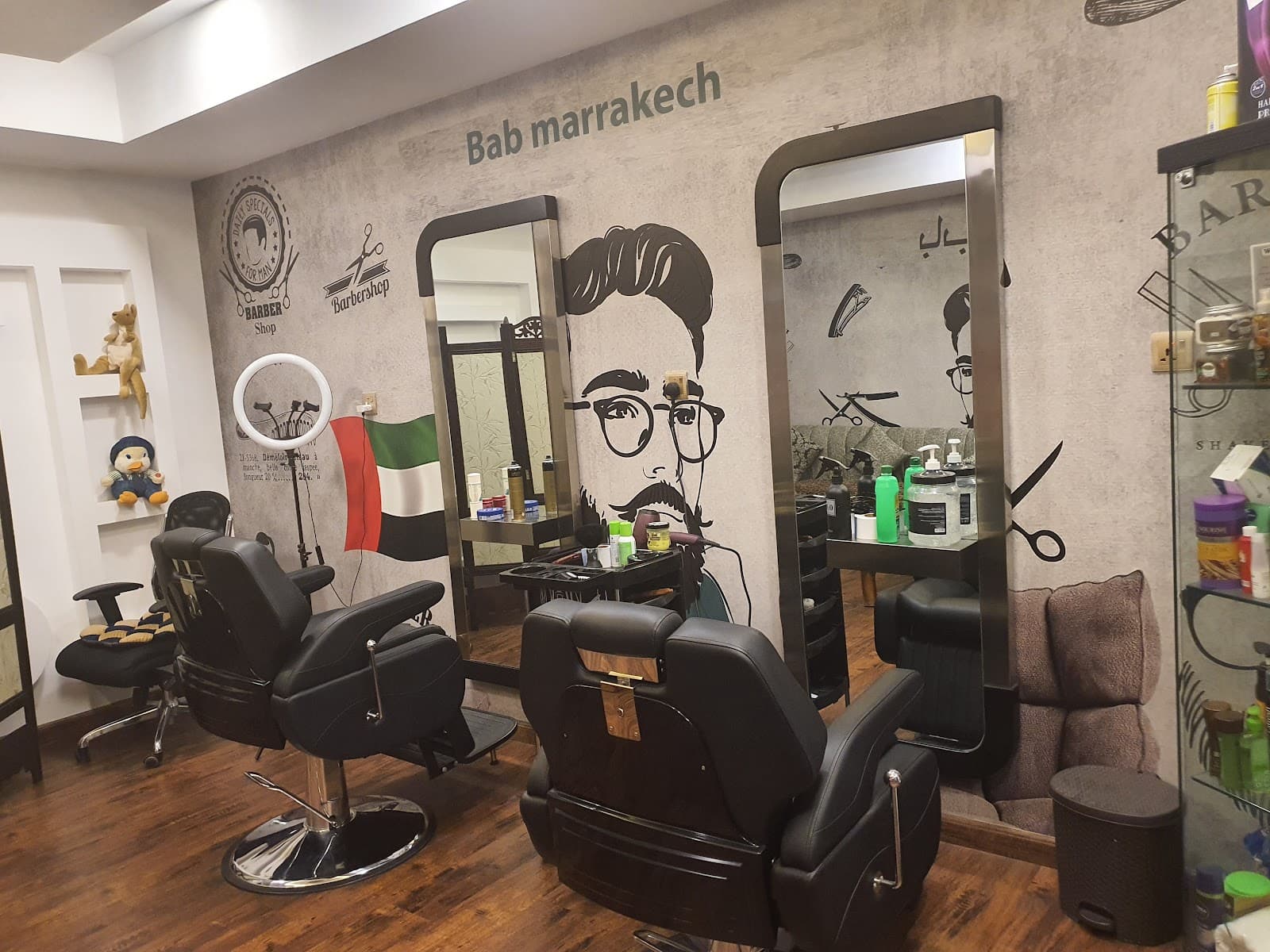
Bab Marrakech Health Center For Men Spa & Moroccan Bath مركز باب مراكش للعناية بالرجال وحمام المغربي
JBR · Dubai
4.7★ on 111 Google reviews
Prices
On WhatsApp
 4.5(109)
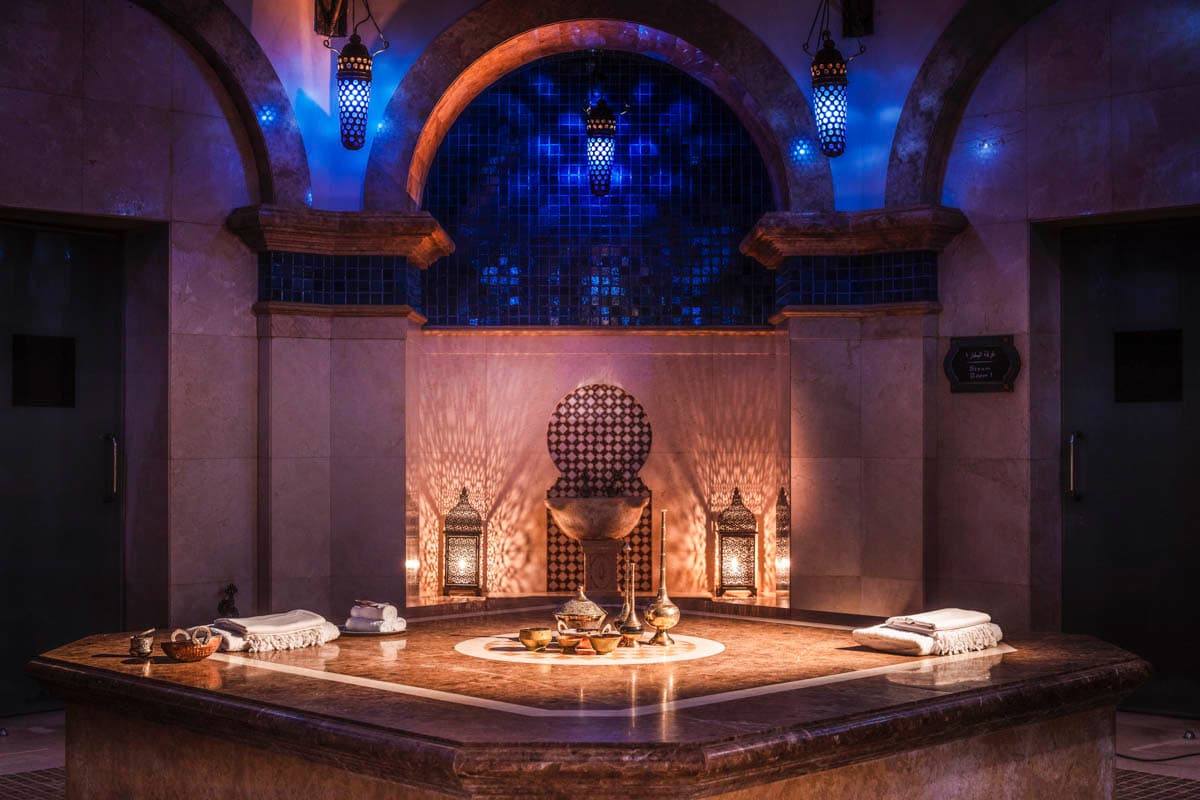
Oriental Hammam - One&Only Royal Mirage
JBR · Dubai
4.5★ on 109 Google reviews
Prices
On WhatsApp
What makes a Moroccan hammam great in Dubai
An authentic Moroccan hammam in Dubai should hit three notes: a properly hot steam room (45–50°C, not the 35°C sauna some venues pass off), a vigorous kessa-glove exfoliation with real beldi black soap (the dark green olive-paste kind, not perfumed soap masquerading as it), and a finishing ghassoul clay mask sourced from the Atlas Mountains. The best Dubai spots either import all three ingredients directly from Morocco or are run by Berber-trained therapists who treat the ritual as cultural practice rather than a menu item.
Dubai has dozens of "Moroccan hammam" options on Google Maps, but the quality variance is enormous. The shortlist on this page is ranked by Google rating weighted by review volume, built from each venue's public Google Business profile — Spalist doesn't visit or test venues. So judge the bath yourself on five criteria: steam temperature, kessa pressure, soap authenticity, ghassoul clay quality and post-bath skin feel 24 hours later. Prices run from around AED 90 in Deira to AED 1,800 at One&Only The Palm, and either end can deliver on those five criteria — price alone doesn't decide quality.
The five things that separate authentic from theatrical
First: temperature. A real Moroccan hammam steam room should make you sweat within 90 seconds. If you can comfortably sit in it for 10 minutes without breaking a sweat, you're in a sauna with Moroccan branding.
Second: the kessa glove. A real exfoliation will roll grey rolls of dead skin off your arms and back, it's the unmistakable hallmark of a Moroccan bath. If your therapist is gently buffing rather than vigorously scrubbing, you're getting a Western-style exfoliation in Moroccan packaging.
Third: the beldi soap. Real beldi ("savon noir") is dark olive-green, paste-textured, and smells faintly of eucalyptus and olive press. The fluorescent green liquid "black soap" you'll see at hotel spas is the tourist version. Real beldi is sold in Casablanca souks by weight.
Fourth: the ghassoul clay. The good stuff is grey-brown, mined in the Moulouya Valley, mixed with rose water rather than tap water, and smells earthy rather than perfumed.
Fifth: the cultural ritual cadence. A traditional bath should take 75–90 minutes minimum: steam, soap, rest, scrub, rest, clay, rest, rinse. Anything compressed under 45 minutes is a spa treatment, not a hammam.
Where to go by neighbourhood
Deira & Bur Dubai (AED 90–250): The most authentic and least photogenic options in the city. Family-run hammams that have been operating for 15+ years, frequented by long-term residents from the Maghreb and Khaleej. Plain interiors, no Instagram-able tile work, but the bath itself is the real thing.
Karama & Al Quoz (AED 150–400): Mid-range venues that serve Dubai's South Asian and Filipino communities alongside Moroccan expats. Often packed weekday evenings; book ahead.
JBR, Marina, Downtown (AED 400–900): The polished boutique experience — proper tile work, robes, treatment rooms, light food after. Less culturally authentic but reliably high-quality and the staff English is excellent.
Palm Jumeirah & DIFC (AED 900–1,800): Hotel-spa interpretations of the ritual at One&Only, Atlantis, Talise. The most luxurious bathing facilities in the city; the kessa pressure is lighter than authentic. Pick these for the experience and the post-bath restaurant, not for the deepest exfoliation.
How long the treatment should actually take
A “quick” Moroccan bath is 60 minutes. Steam, soap, scrub, rinse. The signature 90-minute version adds ghassoul clay and finishes with an argan-oil massage. The full 2-hour ritual adds rose-petal foot soak, henna application or a hot mint tea ceremony at the end.
Avoid sub-45-minute “express” offerings. The exfoliation needs warm-up time to be effective — the dead-skin sloughing only really happens after the steam has opened your pores for 8–12 minutes.
Booking tips by season
October to March is high season in Dubai, book at least 3–5 days ahead for weekends. Friday evenings and Saturday mornings are the hardest slots to get.
April to September the city empties out. You can often walk into the best venues with 24 hours' notice. This is also when most Dubai venues run their best summer offers — 20–30% off long rituals, free upgrades from signature to deluxe, complimentary scrubs added to massage bookings.
Ramadan compresses everything, most venues open from 4pm onwards and close earlier. Eid Al-Fitr and Eid Al-Adha are the second-busiest periods of the year, especially for women's salons doing pre-Eid hammams.
Spalist profiles link straight to the venue's WhatsApp or phone number where its Google Business profile lists one. UAE spas overwhelmingly prefer WhatsApp for bookings — confirm price and availability there before you go. Avoid third-party booking platforms that add commission. Spalist is free for customers, we don't add fees to spa pricing.
What to bring and what's provided
Typically provided at Dubai hammams (confirm when you book): locker key, plastic stool for sitting in the wash area, all soaps and oils, disposable underwear, robe, slippers, hair towel, body towel, water bottle.
Bring yourself: a hair tie if you have long hair (you'll want it up during the steam and bath), a swimsuit if you'd rather not wear disposables (your call — both are fine), and AED 50–100 in cash for the therapist tip directly at the end.
Aftercare
Skin will be intensely soft for 36–48 hours, then return to baseline. Avoid direct sun for 24 hours. Freshly exfoliated skin burns far faster in UAE conditions.
Drink at least 1 litre of water within 2 hours of finishing. The steam dehydrates more than people realise.
Don't book a second hammam within 14 days. The dead-skin layer needs to regenerate fully. More frequent exfoliation thins the barrier and causes sensitivity.
How this guide was researched
Written by Spalist Editorial Team from the Spalist editorial team. Pricing, regulatory and operational context draws on publicly available venue information, government regulator portals (DHA Sheryan, DOH e-services, MOH licensing), and Spalist's listings, built from each venue's public Google Business profile. Venues in this guide are ranked by Google rating weighted by review volume; we don’t accept payment to place them — see our editorial standards.
The shortlist
Top-rated Moroccan hammams in Dubai
Ranked by Google rating weighted by review volume (rating × log10(reviews + 1)). Listing details come from each venue's public Google Business profile — confirm prices and availability on WhatsApp before you book.
Ranked by Google rating weighted by review volume. Each pick links through to the venue's full Spalist profile.
Top-rated #1 in this guide
izil Moroccan Beauty | Hammam & SPA - Dubai Mall
JBR · Dubai4.5 · 795 Google reviewsPrices on WhatsApp
© Lola Tem via Google Based in JBR (Dubai), this moroccan hammam venue is rated 4.5★ on 795 Google reviews. The phrases that come up most across the review base are "experience", "hammam" and "attention detail", which tells you what the lived experience tends to centre on. Message the venue on WhatsApp during opening hours for prices and a confirmed slot.
“It was our last day of the trip here in Dubai, and we were utterly exhausted after an exhilarating adventure in the desert: safari, dune sand driving, ATV riding, and a breathtakin…”— Laila Bratteli, via Google
Highest-rated tier
Bab Marrakech Health Center For Men Spa & Moroccan Bath مركز باب مراكش للعناية بالرجال وحمام المغربي
JBR · Dubai4.7 · 111 Google reviewsPrices on WhatsApp
© Hassan Hmmoud via Google JBR-based moroccan hammam venue with 4.7★ on 111 Google reviews. Recurring threads in the review text: "moroccan", "massage" and "experience" — practical signals about what the visit consistently delivers. WhatsApp the venue for its current price list and to ask about same-day or next-day slots.
“If there was an option for 100 stars i would have chosen this❤️. The place is new and clean. Adil was one of a kind, his massage was excellent. He knew exactly how to relax me. I…”— Nick A., via Google
Oriental Hammam - One&Only Royal Mirage
JBR · Dubai4.5 · 109 Google reviewsPrices on WhatsApp
© Oriental Hammam via Google JBR-based moroccan hammam venue with 4.5★ on 109 Google reviews. The phrases that come up most across the review base are "experience", "massage" and "mud rose", which tells you what the lived experience tends to centre on. Prices aren't listed on Spalist yet — ask the venue on WhatsApp for its current menu before you book.
“One of the best hammams I’ve been to! The place is beautiful and has a real Moroccan feel to it. The whole experience was relaxing from start to finish, and everyone on the team wa…”— mouna badreddine, via Google
Strictly ladies-only
Ashwina (For Ladies Only) Moroccan Bath & Spa
JBR · Dubai4.4 · 62 Google reviewsPrices on WhatsApp
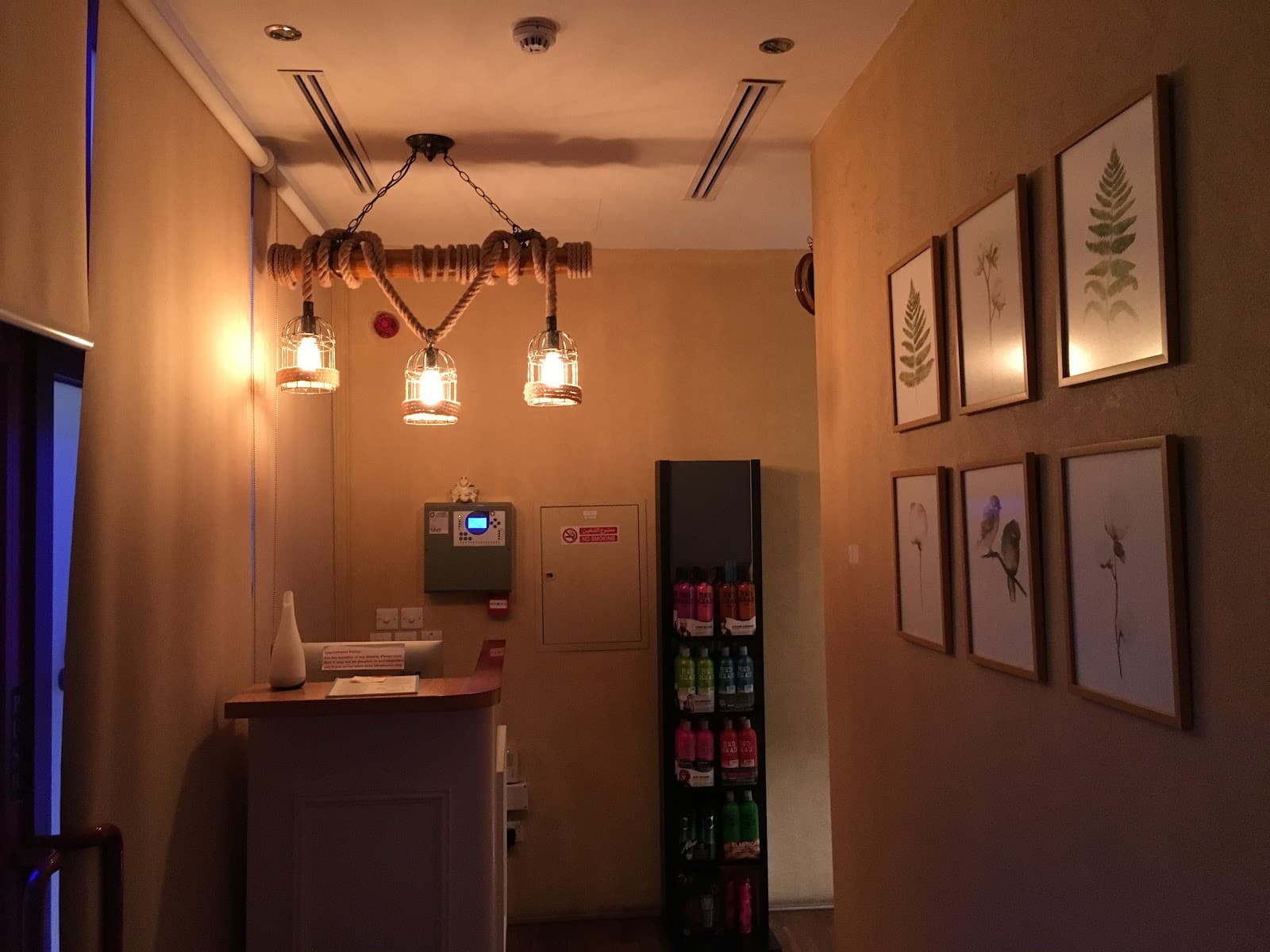
© Ashwina (For Ladies Only) Moroccan Bath & Spa via Google Sits in JBR as one of Dubai's listed moroccan hammam options — 4.4★ from 62 Google reviewers. What 62 reviewers actually write about: "moroccan bath", "bath recommend" and "experience". Those are the threads that recur. Message the venue on WhatsApp during opening hours for prices and a confirmed slot.
“Went to Ashwina to have a normal spa time, but the experience went beyond words. The Moroccan Bath experience by Durga was more than wonderful giving me a relaxing me myself time.…”— Shameela Nafih, via Google
© Rosetta Massage Moroccan Bath via Google Sits in JBR as one of Dubai's listed moroccan hammam options — 4.8★ from 23 Google reviewers. What 23 reviewers actually write about: "massage" and "bath". Those are the threads that recur. Prices aren't listed on Spalist yet — ask the venue on WhatsApp for its current menu before you book.
“To everyone who wants a massage , i recommend this spa skylark hotel , their therapist good massage and good service , the area is good and clean.”— jane clar, via Google
Highest-rated tier
Jumeirah Spa Health Center For Men Spa & Moroccan Bath مركز باب مراكش للعناية بالرجال وحمام المغربي
JBR · Dubai5.0 · 8 Google reviewsPrices on WhatsApp
JBR-based moroccan hammam venue with 5.0★ on 8 Google reviews. Review timestamps cluster in the evening (80% of recent feedback), which we read as the venue's peak operating window. WhatsApp the venue for its current price list and to ask about same-day or next-day slots.
“Very good center, I should thank the manager and the team for there the service A great moroccan center I'll give you another visit.”— Ghizlane Harrar, via Google
Massage & moroccan bath
JBR · Dubai3.4 · 19 Google reviewsPrices on WhatsApp
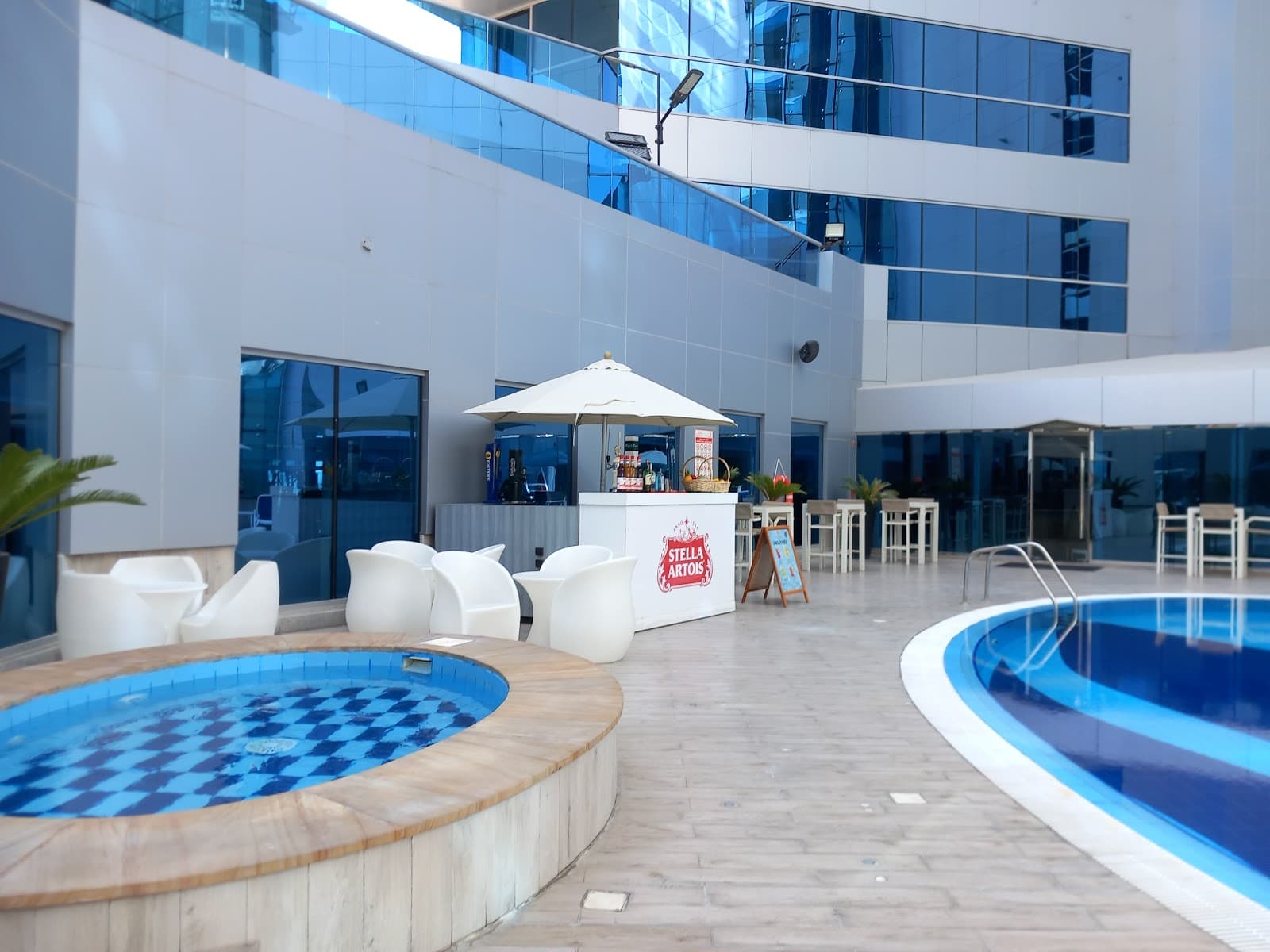
© Věra Kvasnicová via Google JBR-based moroccan hammam venue with 3.4★ on 19 Google reviews. Review timestamps cluster in the evening (40% of recent feedback), which we read as the venue's peak operating window. Spalist adds no booking fees; you book the venue directly and confirm the price with them.
“Best services”— M Days, via Google
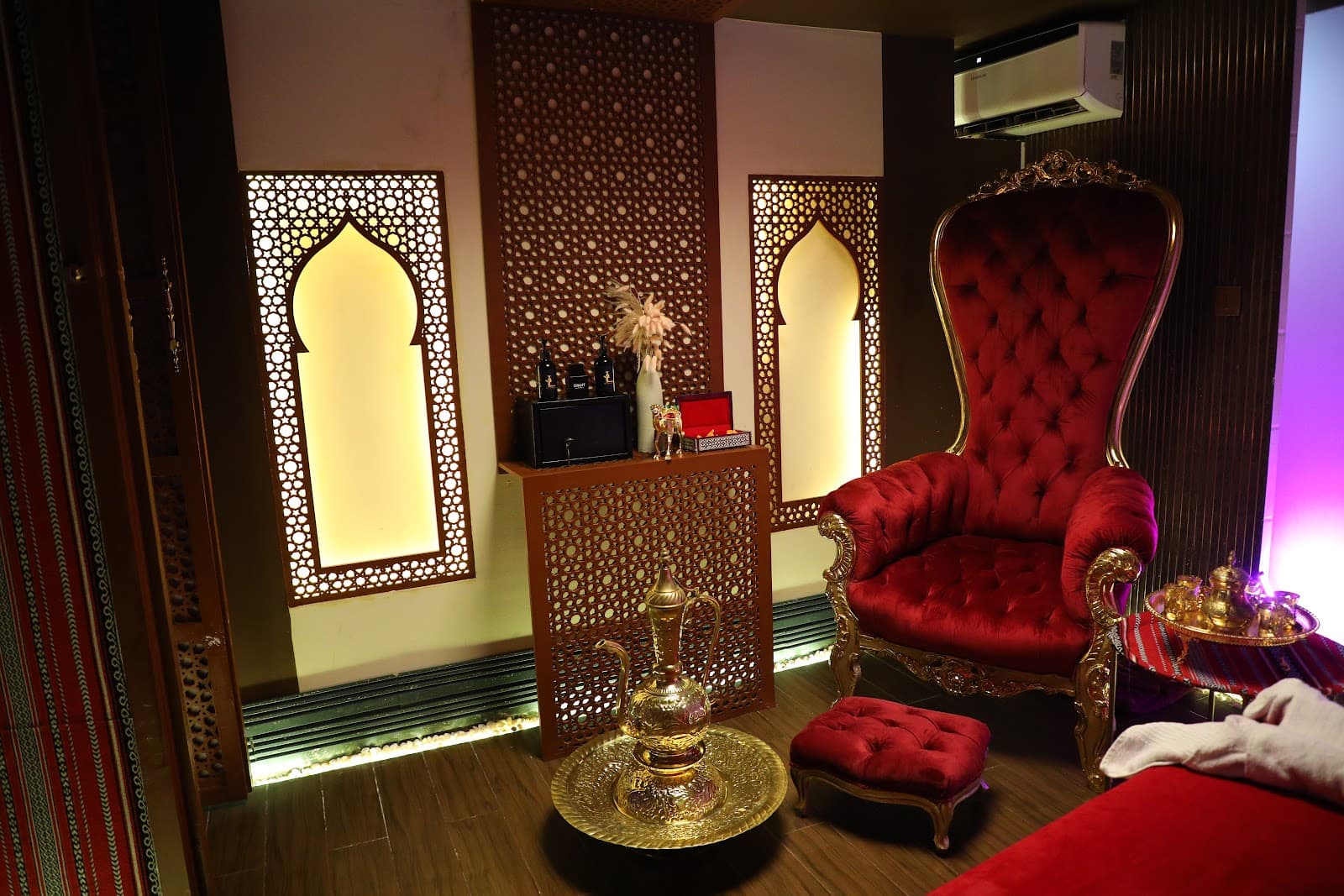
© Royal Moroccan bath via Google Based in JBR (Dubai), this moroccan hammam venue is rated 4.5★ on 8 Google reviews. Recurring threads in the review text: "moroccan bath", "dubai" and "experience" — practical signals about what the visit consistently delivers. Spalist adds no booking fees; you book the venue directly and confirm the price with them.
“Everything was amazing, the therapist's hand movements were perfect. Every muscle in my body felt like it had been given a new lease of life.”— sabbir ahmed, via Google
مركز مساج و حمام مغربي للرجال جي أل تي JLT massage and Moroccan bath center
JBR · Dubai4.6 · 7 Google reviewsPrices on WhatsApp
© مركز مساج و حمام مغربي للرجال جي أل تي JLT massage and Moroccan bath center via Google مركز مساج و حمام مغربي للرجال جي أل تي JLT massage and Moroccan bath center runs as a moroccan hammam listing in JBR; the public score is 4.6★ on 7 reviews. Review timestamps cluster in the afternoon (60% of recent feedback), which we read as the venue's peak operating window. Bookings are handled directly by the venue over WhatsApp or phone — ask for the price when you message.
“I am lover of Spa,super convenient location -the first tower from metro and what a service.Guys,Highly recommend”— dayan dorimon, via Google
Highest-rated tier
مركز خمس نجوم مساج و حمام مغربي Five star massage and Moroccan bath center
JBR · Dubai5.0 · 3 Google reviewsPrices on WhatsApp
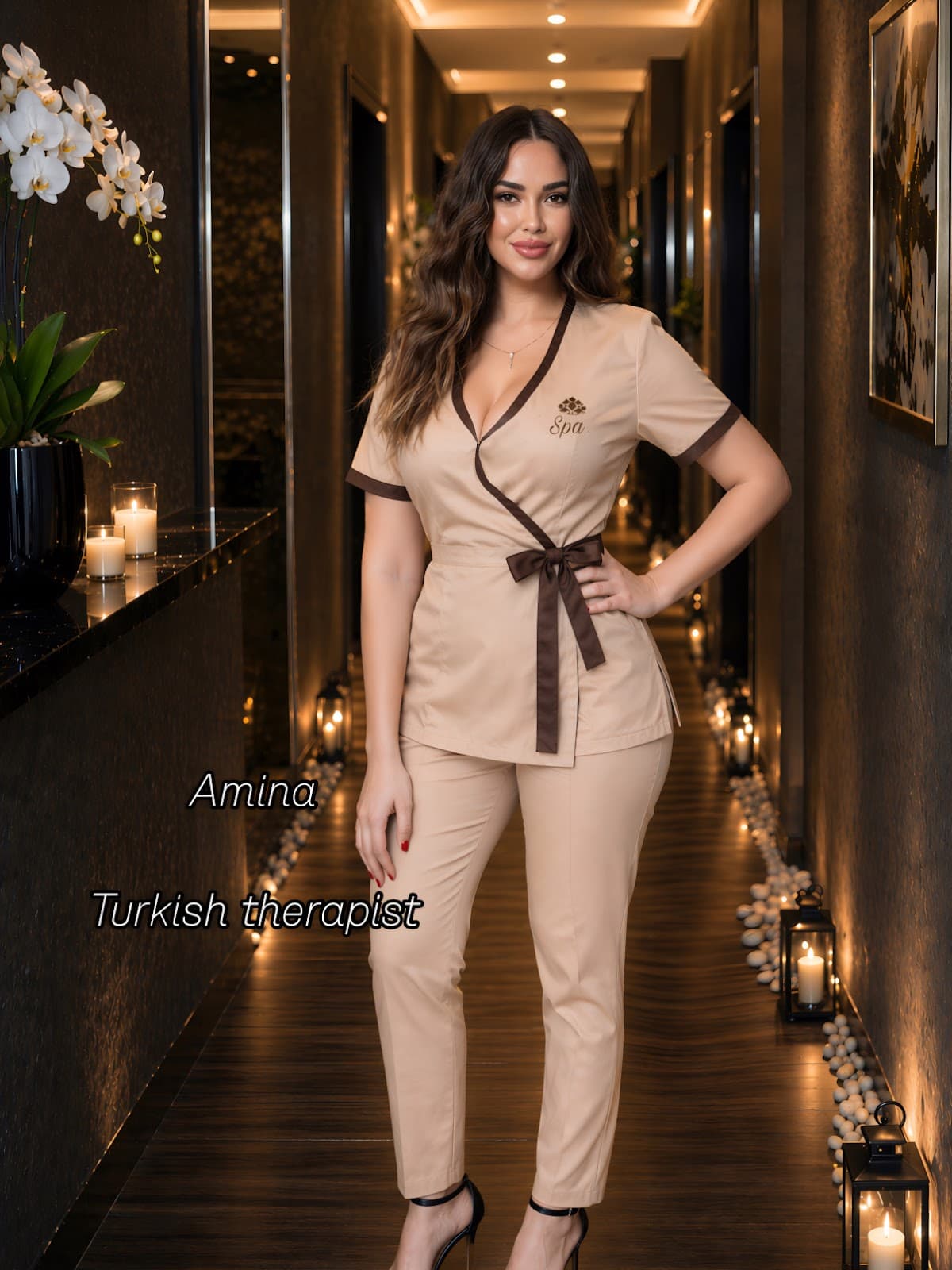
© مركز خمس نجوم مساج و حمام مغربي Five star massage and Moroccan bath center via Google Based in JBR (Dubai), this moroccan hammam venue is rated 5.0★ on 3 Google reviews. Listing details come from the venue's public Google Business profile — ask about licensing and hygiene practices, and scan recent Google reviews, before you book. Bookings are handled directly by the venue over WhatsApp or phone — ask for the price when you message.
“Thank you so much! Their massage is amazing, it's so refreshing. You feel energized afterward. I tried their Thai massage, and honestly, it's fantastic.”— Mohammed Basel, via Google
Questions readers ask about Dubai guides like this
Which Moroccan hammam in Dubai is most authentic?
How much does a Moroccan hammam cost in Dubai?
How long should a real Moroccan hammam take?
When should I avoid booking a Moroccan hammam?
What's the difference between a Moroccan hammam and a Turkish hammam?
Can men book Moroccan hammams in Dubai?
Do I need to book ahead, or are walk-ins okay?
Is the kessa exfoliation supposed to hurt?
Ready to book? Start here
Read next
Home Service Massage in the UAE: What to Expect
Pricing, what therapists bring, how to vet providers, and the safety checks every booking should pass.
A Local's Guide to Ladies-Only Spas in Sharjah
Quiet, women-run sanctuaries across Al Majaz, Al Nahda and Al Khan — with prices and timings.
First Moroccan Hammam? Here's Exactly What to Expect
Step-by-step walkthrough of a Moroccan hammam visit, from arrival to aftercare. Reduce the awkwardness.